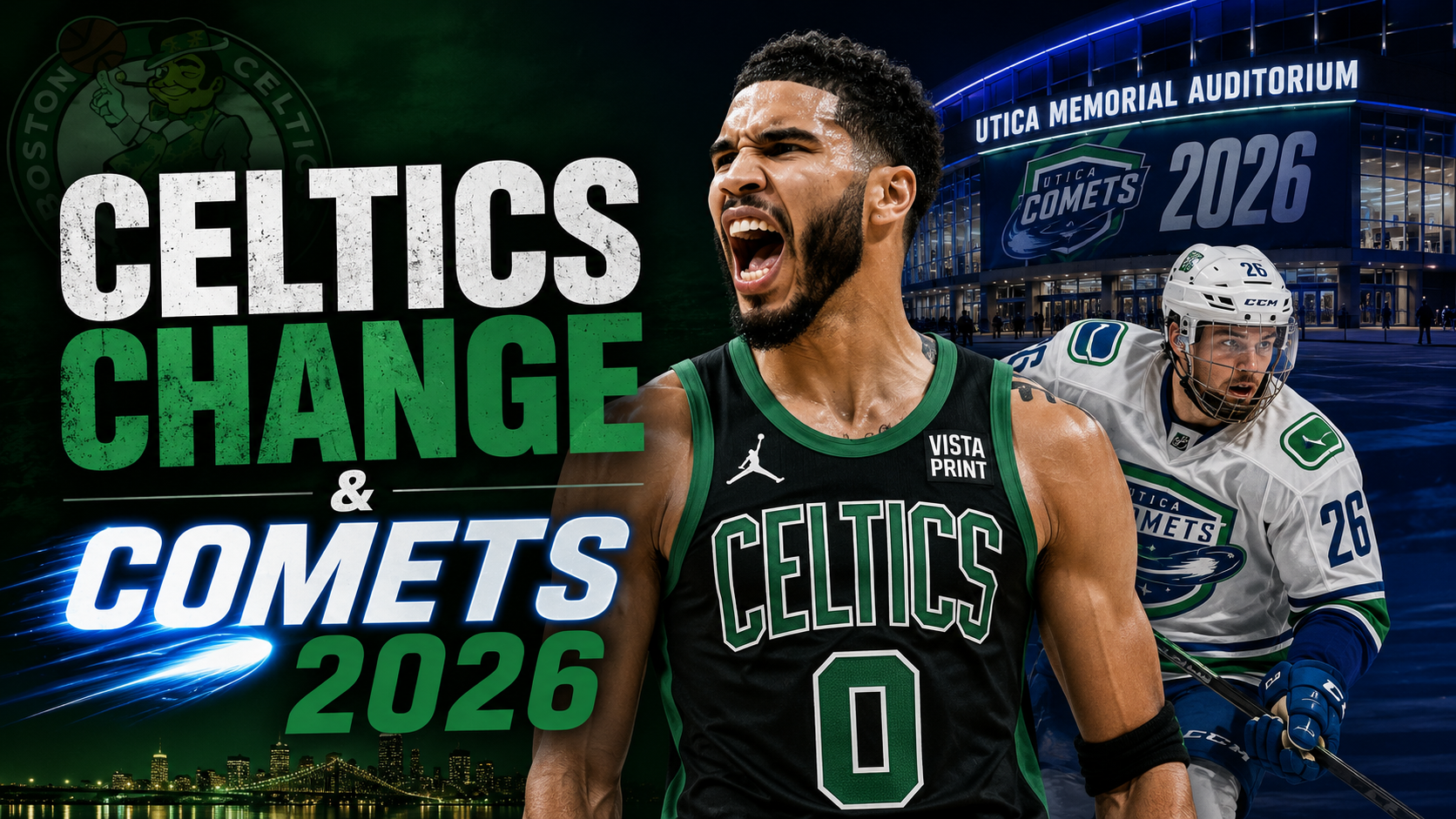
Boston Celtics fans have long understood that being a supporter of this historic franchise is an exercise in equal parts pride and emotional cardio. The 2025–26 NBA season, which concluded with a stunning first-round exit at the hands of the Philadelphia 76ers on May 2, was no exception. In a series that will be whispered about in sports bars and screamed about on Boston sports radio for years to come, the Celtics squandered a 3-1 series lead, losing Game 7 by a score of 109-100. To add insult to injury—literally—Jayson Tatum, the team’s superstar and emotional anchor, was absent due to knee stiffness, forcing Jaylen Brown to shoulder the offensive load with a heroic 33-point performance in the deciding game.
But to frame this as just another tragic playoff collapse would be unfair. The Celtics’ season was a nuanced, winding journey that featured the triumphant (and frankly miraculous) return of Tatum from an Achilles tear after 298 agonizing days, the ongoing evolution of Brown as both a scorer and public speaker, and the ever-present drama of media narratives swirling like a green-and-white tornado around TD Garden. What follows is a deep dive into a season that began with championship aspirations, flirted with greatness, and ended with a collective, city-wide sigh that echoed from the North End to Worcester.
The Tatum Saga: From Achilles Agony to Heroic Return
When Jayson Tatum crumpled to the floor in 2025, clutching his Achilles and leaving fans with a pit in their stomachs the size of a Fenway pretzel, many assumed the Celtics’ championship window had slammed shut. Achilles injuries are notoriously career-altering. Even the most optimistic fans braced for an entire season without their franchise player, imagining drab offensive sets helmed by role players and a lot of three-point prayers. And yet, in a twist worthy of a Hollywood screenplay—or at least a sentimental sports documentary narrated by Matt Damon—Tatum returned to action after 298 days. Not only did he return, but he also produced a stat line that would make most All-Stars blush: 22 points, 10 rebounds, and 5 assists per game over 16 appearances.
His presence reinvigorated the team late in the season, injecting belief into a roster that had wobbled through months of inconsistency. Every step Tatum took on the parquet felt like a metaphorical middle finger to fate, medicine, and that one guy on Twitter who said he would never play at a high level again. Yet, his comeback was ultimately bittersweet: despite his return galvanizing the Celtics into a playoff push, the knee stiffness that sidelined him in Game 7 reminded everyone that recovery is not a straight line, and in the NBA, timing is everything.
The Jaylen Brown Experience: Buckets, Leadership, and Media Sparring
If there was a singular figure who carried the emotional and statistical weight of this rollercoaster season besides Tatum, it was Jaylen Brown. Brown not only delivered on the court, leading the team in scoring during the playoffs and dropping an emphatic 33 points in the fateful Game 7, but he also became a nightly subplot in the ongoing soap opera that is the Boston sports media ecosystem.
Few players in Celtic history have so perfectly embodied the duality of Boston fandom: adored for their talent and work ethic, yet scrutinized for any perceived misstep. Brown’s public sparring with analyst Stephen A. Smith over the team’s playoff performance—and Smith’s not-so-subtle suggestions that the Celtics might need to trade him—turned into must-see sports television. Brown, ever the thoughtful and independent voice, clapped back in postgame interviews, making it clear that he heard the noise but remained focused on winning.
While this tension provided occasional comic relief (and some priceless memes), it also highlighted the larger question hanging over the franchise: Can Brown and Tatum co-exist as the pillars of a championship team? Or will the Celtics brass, swayed by media narratives and the temptation of blockbuster trades, explore a dramatic shake-up?
Playoff Collapse: Anatomy of a 3-1 Disaster
Boston’s first-round series against the 76ers started like a dream and ended like a nightmare. After racing to a 3-1 lead, the Celtics seemed poised to advance, with TD Garden buzzing, fans dusting off their 18th Banner chants, and local Dunkin’ locations preparing celebratory green donuts. Then came the collapse. Games 5 and 6 saw the 76ers claw back behind dominant performances from Joel Embiid and Tyrese Maxey, exposing Boston’s defensive lapses and occasional offensive stagnation.
Game 7 was the nail in the coffin. Without Tatum, the Celtics fought valiantly but lacked the closing punch. The 109-100 loss felt less like a blowout and more like a slow, inevitable leaking of hope. Fans watched as Brown poured in 33 points, only to see the supporting cast falter in crucial moments. The collapse was a masterclass in how momentum can turn on a dime in the NBA, and how even elite teams need both health and cohesion to survive the postseason gauntlet.
Offseason Speculation: Trades, Drafts, and the Giannis Question
No sooner had the final buzzer sounded than the rumor mill kicked into overdrive. Trade whispers involving Jaylen Brown have resurfaced, this time with a particularly tantalizing name attached: Giannis Antetokounmpo. While the feasibility of such a move is debatable (and likely to induce migraines in capologists everywhere), the mere possibility has electrified the fanbase. Could the Celtics finally pair Tatum with a dominant two-way force in the frontcourt? Or would moving Brown for Giannis be a Faustian bargain that sacrifices chemistry for star power?
Meanwhile, the Celtics hold two picks in the upcoming 2026 NBA Draft, offering opportunities to inject youth and energy into a roster that, while talented, sometimes feels one injury away from disaster. Whether these picks are used to develop new talent or packaged in a blockbuster trade will serve as a litmus test for the front office’s vision of the team’s future.
Lessons from the 2025–26 Campaign
- Injuries remain the ultimate equalizer in the NBA, no matter the depth chart.
- Jaylen Brown’s value extends beyond scoring; he is a leader—even if sometimes a lightning rod.
- Media narratives can fuel both fan engagement and internal pressure, often blurring reality.
- Championship windows are fragile, and bold decisions may be required to keep them open.
If nothing else, this season reminded Celtics Nation that joy and heartbreak often travel hand-in-hand in the NBA. The team’s near-miss and ultimate collapse should serve as both a cautionary tale and a catalyst for growth. And for fans, it’s another chapter in a saga that is never short on drama, hope, or opportunities for gallows humor.
Conclusion: Eyes on Banner 18… Eventually
As summer begins and the echoes of Game 7 fade, the Boston Celtics find themselves at a crossroads. With Tatum’s health, Brown’s future, and the tantalizing specter of Giannis all in play, the 2026 offseason promises intrigue, debate, and possibly seismic change. But if history is any guide, the Celtics will continue to swing for greatness, because in Boston, good is never good enough. Until then, fans will console themselves with summer baseball, iced coffee, and the eternal hope that next year, Banner 18 will finally rise.
Leave a Reply
You must be logged in to post a comment.