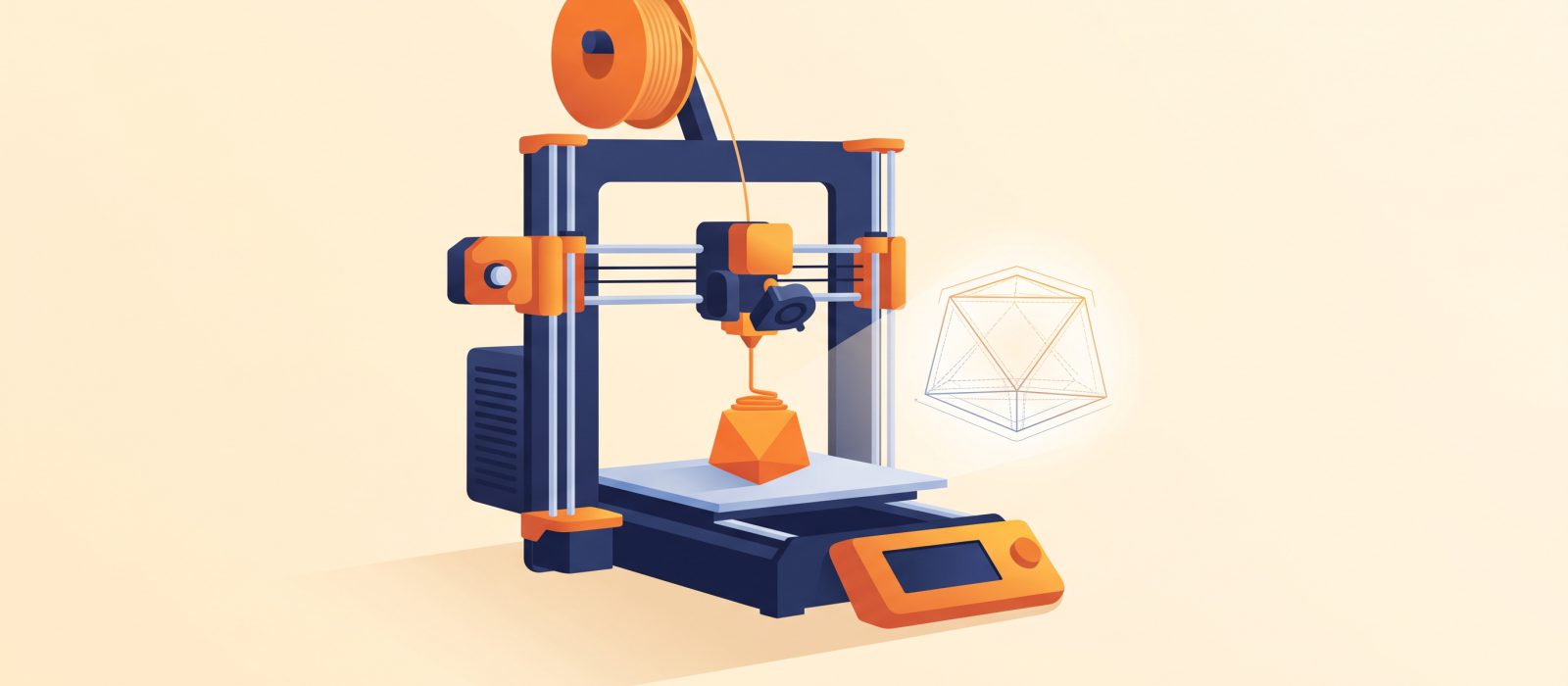
If you have ever watched a machine turn a spool of plastic into a working part, you already know why 3D printing is so addictive. The good news: it is far easier to get started than it looks. This guide explains what 3D printing is, how it works and what you can do with it, with no jargon left unexplained.
3D printing in one sentence
3D printing (also called additive manufacturing) builds an object by adding material one thin layer at a time until the whole shape exists. That is the opposite of carving or machining, where you start with a block and cut material away.
How a 3D print gets made
Every print, from a keychain to a replacement part, follows the same path:
- Get a 3D model. You either download one from a site like Printables, MakerWorld or Thingiverse, or design your own in free software such as Tinkercad.
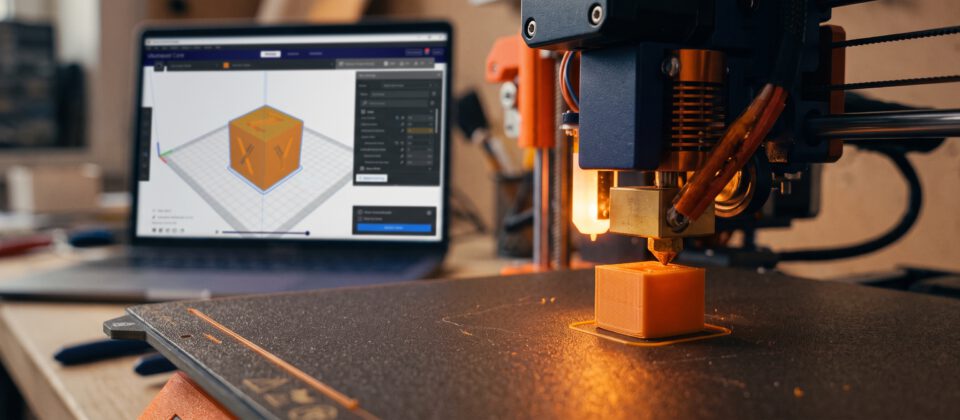
- Slice it. A program called a slicer cuts the model into hundreds or thousands of flat layers and turns them into instructions for your printer (called G-code). Popular free slicers include Cura, PrusaSlicer and OrcaSlicer.
- Print it. The printer follows those instructions, laying down one layer at a time. Small items take under an hour. Large ones can take a day or more.
- Finish it. Remove the print from the bed, snip off any support material and, if you like, sand or paint it.
The two main types of home 3D printers
- FDM (filament) printers melt a plastic string called filament and draw each layer through a heated nozzle. They are affordable, easy to maintain and the best place for most beginners to start.
- Resin printers use light to harden liquid resin layer by layer. They capture very fine detail, which is great for miniatures, but the process is messier and needs safety gear.
We compare the two in detail in our guide to FDM vs resin. If you are not sure, start with FDM.
What can you actually make?
- Household fixes: replacement knobs, hooks, clips and brackets
- Organizers for tools, desks and workshops
- Toys, games, cosplay props and tabletop miniatures
- Gifts and decor, such as planters, lamps and custom nameplates
- Prototypes for your own ideas
Is 3D printing hard to learn?
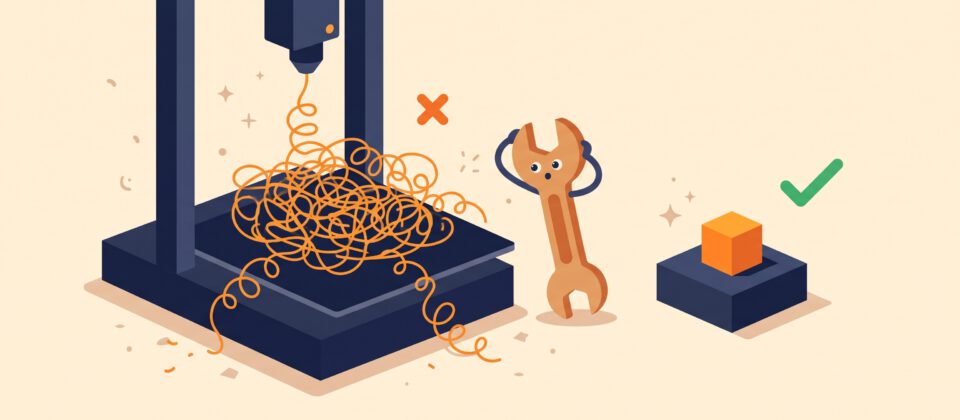
Not anymore. Modern printers arrive mostly assembled, level themselves and come with sensible default settings. Expect a short learning curve in your first week, a few failed prints (everyone has them) and then steady progress. The hobby rewards curiosity far more than technical skill.
What you need to begin
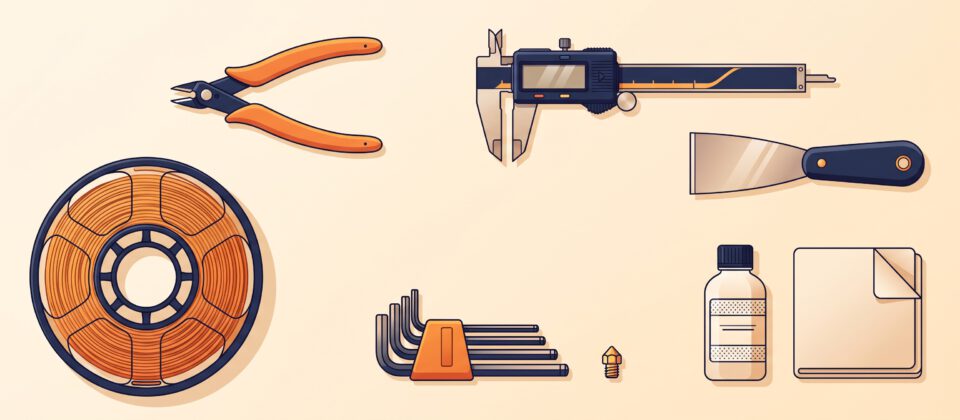
At minimum: a 3D printer, a spool of PLA filament (the easiest material), a computer or phone for slicing and a few basic tools. Our starter kit post lists the small extras that make life easier.
Where to go next
Ready to dive in? Read on to learn which printer type suits you, what to do in your first week with a new machine and how to run your very first print.