
Understanding Traffic in Providence: Causes, Challenges, and Solutions
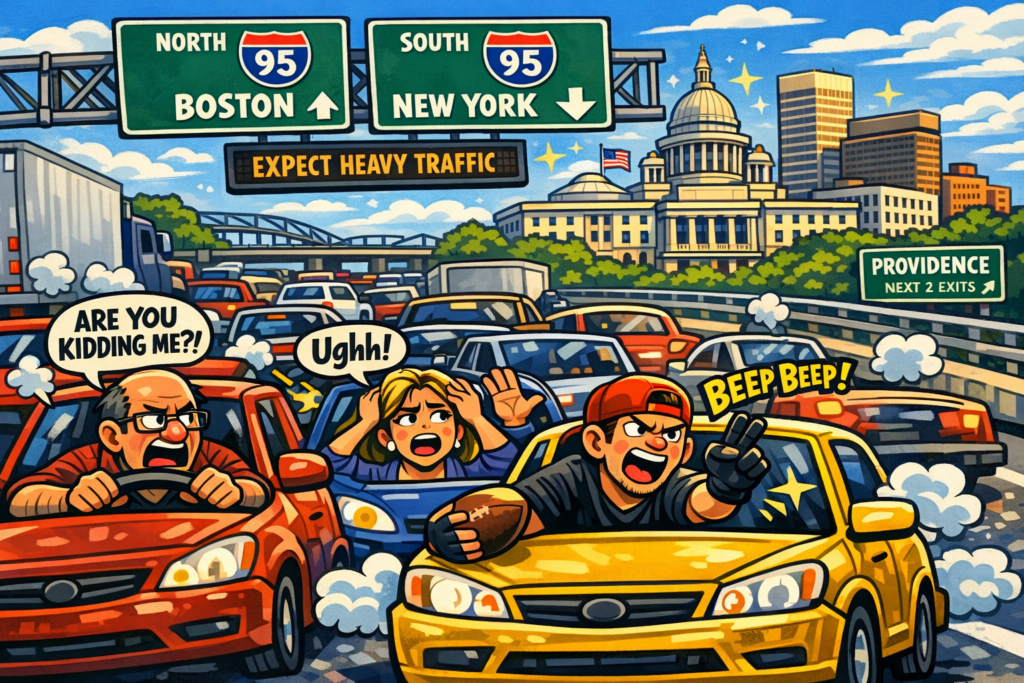
Providence, the capital city of Rhode Island, is a vibrant urban center with a rich history, diverse cultural offerings, and a growing economy. However, like many mid-sized cities in the United States, it faces persistent challenges related to traffic congestion. Understanding the nature of traffic in Providence requires examining the interplay between urban design, population movement, infrastructure capacity, and regional economic activity. This analysis will explore not only the causes and effects of traffic in the city but also propose strategies that could alleviate some of these challenges.
The Historical Context of Providence Traffic
To understand traffic in Providence today, it is important to consider the city’s historical development. Providence’s streets were originally designed in the 17th and 18th centuries, long before the advent of the automobile. Its historic neighborhoods, including College Hill, Federal Hill, and the Jewelry District, feature narrow streets and irregular layouts that reflect colonial urban planning. These streets were well-suited for pedestrians and horse-drawn carriages but have proven challenging for modern traffic volumes. As the city industrialized in the 19th century, the increasing population led to denser neighborhoods and the construction of bridges and railways to link the east and west sides of the city, shaping travel patterns that persist today.
The post-World War II era brought major changes to Providence’s transportation infrastructure. Like many American cities, the construction of the interstate highway system in the 1950s and 1960s dramatically altered the urban landscape. Interstate 95 and Interstate 195 carved through Providence, connecting it to regional economic centers like Boston and New York. While these highways facilitated suburban commuting and regional commerce, they also displaced neighborhoods and created bottlenecks around downtown. The city’s shift toward car-centric planning coincided with suburbanization, resulting in higher volumes of daily commuter traffic that continue to strain the city’s road network.
Current Traffic Patterns and Challenges
In the present day, traffic in Providence reflects the city’s role as a regional hub for education, healthcare, and business. The downtown area serves as a focal point for commuters, with arterial roads like Route 6, Route 10, and the I-95 corridor handling significant volumes of vehicles. Morning and evening rush hours regularly produce congestion on these routes, particularly near the I-95/I-195 interchange, known locally as the “Iway.” Construction projects and lane reductions in this area have historically exacerbated delays, while ongoing maintenance remains a critical necessity given the state’s aging infrastructure.
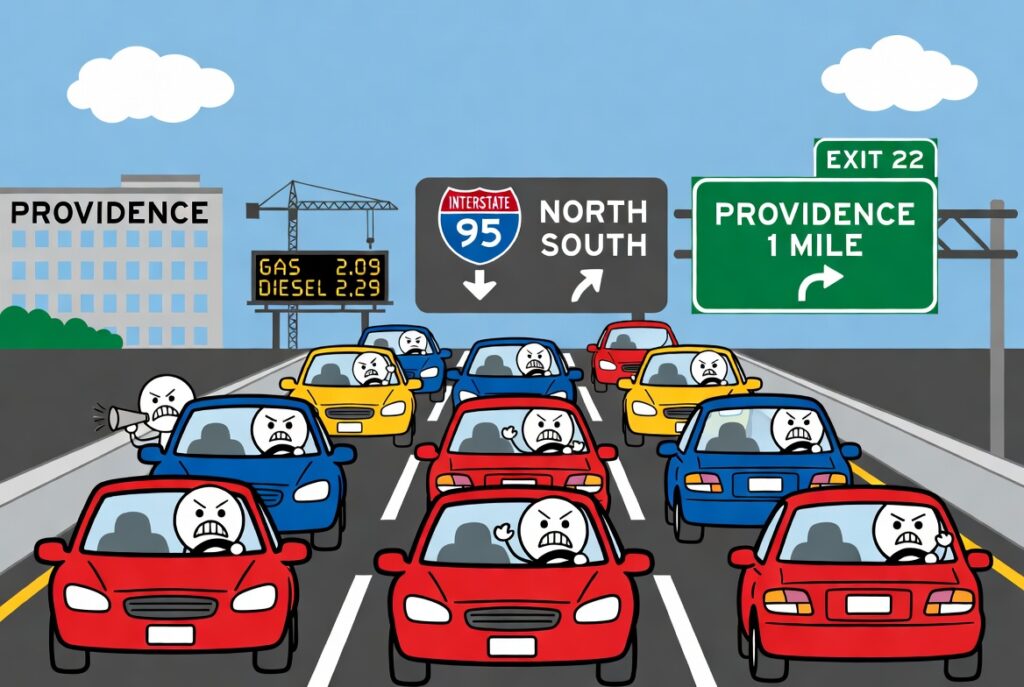
One contributing factor to traffic congestion is the high volume of single-occupancy vehicle travel. Many commuters from surrounding suburbs and neighboring states rely on personal vehicles to access workplaces, universities, and hospitals in Providence. Public transportation options, while available through the Rhode Island Public Transit Authority (RIPTA), are often underutilized due to limitations in coverage, frequency, and perceptions of convenience. This reliance on car travel increases pressure on roads, especially during peak hours.
Parking scarcity in the downtown core also contributes indirectly to traffic issues. Drivers circling for parking spaces or navigating to surface lots and garages create additional congestion, particularly on narrow one-way streets. Events at the Amica Mutual Pavilion, Waterplace Park, or local universities can intensify these challenges, with temporary spikes in traffic that overwhelm typical capacity.
Impacts of Traffic on the City
Traffic congestion in Providence has significant social, economic, and environmental consequences. On an economic level, delays translate into lost productivity, higher fuel consumption, and increased transportation costs for businesses and residents alike. Freight trucks moving through the city also face these delays, which can ripple through regional supply chains. From a social perspective, traffic can diminish quality of life by lengthening commutes and creating stress for drivers. The environmental effects, including elevated emissions from idling vehicles, contribute to local air pollution and the broader challenge of climate change.
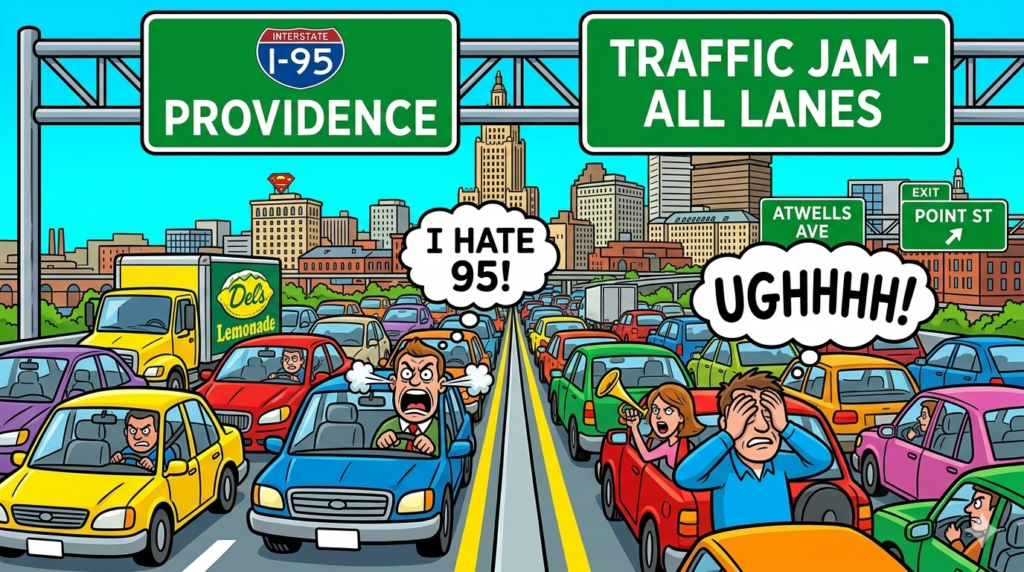
Public health is another area of concern. High-traffic corridors expose nearby residents to noise and air pollution, raising the risks of respiratory and cardiovascular issues. In neighborhoods like Olneyville and South Providence, which are located near highway interchanges, these environmental burdens intersect with socio-economic disparities, highlighting equity considerations in urban transportation planning.
Contributing Factors to Congestion
Several factors drive congestion in Providence. First, the city’s geographic constraints play a key role. The Woonasquatucket and Providence Rivers, along with the remnants of industrial land use, limit the number of through-streets and bridges, concentrating traffic on a handful of major corridors. Second, the design of the highway system creates natural choke points. The I-95 corridor narrows near downtown, and the merging patterns around I-195 contribute to frequent slowdowns, particularly during high-volume periods.
Weather and seasonal variations further complicate traffic management. Winter storms and heavy rains can severely impact driving conditions, while summer tourist traffic to coastal Rhode Island adds intermittent pressure to the road network. Additionally, the city’s continued economic growth and residential development, while positive overall, have increased the number of daily trips through downtown, highlighting the tension between growth and mobility.
Potential Solutions and Strategies
Improving traffic conditions in Providence requires a multifaceted approach that balances infrastructure investment, public transportation enhancements, and smart urban planning. One promising direction is the continued modernization of highway interchanges, such as the completed Iway project, which realigned I-195 to improve safety and flow. Similar efforts to alleviate bottlenecks along I-95 and Route 6/10 have shown early benefits, though long-term success depends on sustained investment in maintenance and design improvements.
Expanding and improving public transit could also reduce vehicular traffic. Strategies might include increasing RIPTA bus frequency during peak hours, creating dedicated bus lanes, and exploring the feasibility of bus rapid transit corridors. Enhanced connectivity between commuter rail stations and major employment centers could further encourage alternatives to driving. Initiatives such as bike-share programs, pedestrian-friendly street redesigns, and improved cycling infrastructure can also reduce local car trips, especially for short distances.
Technology-driven solutions hold additional promise. Real-time traffic monitoring, adaptive signal control systems, and integrated transit apps can help both drivers and transit users make more efficient travel decisions. Encouraging carpooling and telecommuting where feasible can reduce peak-hour demand, particularly for large employers and institutions in the city.
Looking Toward a Sustainable Future
Ultimately, creating a more sustainable and efficient transportation system in Providence will require collaboration between city leadership, state agencies, and the community. Balancing the needs of drivers, transit users, pedestrians, and cyclists is essential to achieving a holistic approach. Investments in infrastructure must align with environmental goals, supporting a future where mobility does not come at the expense of air quality or neighborhood livability.
By learning from the city’s historical patterns, leveraging modern technology, and embracing multimodal planning, Providence has the opportunity to tackle its traffic challenges while supporting economic growth. While congestion will likely remain a feature of urban life, thoughtful interventions can mitigate its worst effects and create a city that moves more efficiently and sustainably.
In conclusion, traffic in Providence reflects a complex interplay of history, geography, and modern urban demands. By pursuing comprehensive solutions that prioritize both efficiency and sustainability, the city can transform its transportation network to better serve residents and visitors alike.