
St. Patrick’s Day in Rhode Island
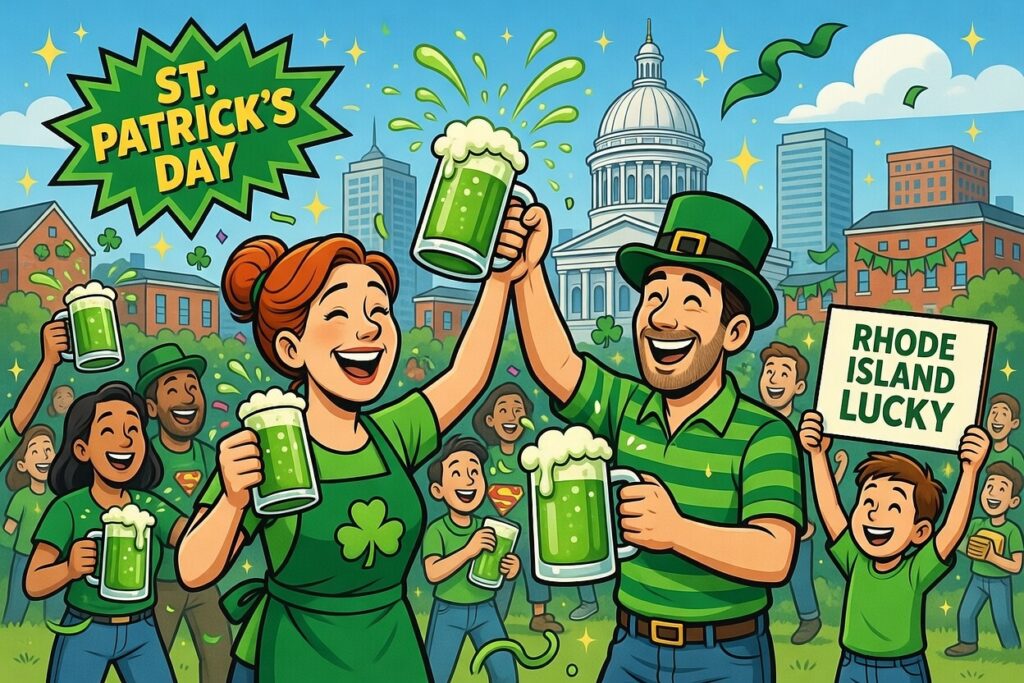
St. Patrick’s Day in Rhode Island is more than a single day of green clothing and festive cheer. It is a deeply rooted cultural celebration that reflects the state’s history, community spirit, and enduring Irish-American heritage. Every March, the Ocean State embraces the holiday with parades, local events, music, and culinary traditions that celebrate both the historical significance of the Irish in New England and the modern enthusiasm for commemorating their contributions. This exploration of St. Patrick’s Day in Rhode Island will delve into its origins, its social and cultural impact, and the diverse ways in which residents and visitors alike participate in the festivities.
The Historical Roots of Irish Heritage in Rhode Island
The celebration of St. Patrick’s Day in Rhode Island is closely tied to the waves of Irish immigration that began in the early 19th century. Like other areas of New England, Rhode Island became a hub for Irish laborers seeking work in industrial mills, textile factories, and maritime trades. These immigrants faced significant social and economic challenges, yet they established thriving communities that preserved their language, traditions, and Catholic faith. Over time, the Irish in Rhode Island became a prominent cultural and political force in cities like Providence, Newport, and Pawtucket.

St. Patrick’s Day emerged as a public expression of Irish identity, initially rooted in religious observance. Local parishes would host special Masses and gatherings, fostering a sense of unity and providing a rare moment of public pride for a population that often faced discrimination. By the late 19th and early 20th centuries, these observances evolved into civic celebrations, complete with parades, music, and community events that invited participation from the broader public.
Today, the influence of these early Irish communities can still be felt, as St. Patrick’s Day in Rhode Island continues to emphasize not only celebration but also recognition of Irish contributions to the state’s development. Civic leaders, historical societies, and cultural organizations ensure that the holiday is both festive and reflective of the deep roots that support it.
The Newport St. Patrick’s Day Parade
Among the most iconic St. Patrick’s Day events in Rhode Island is the Newport St. Patrick’s Day Parade. Founded in 1956, this parade has grown into a major regional attraction drawing tens of thousands of spectators. Newport’s unique blend of colonial architecture, maritime history, and scenic waterfront provides a picturesque backdrop for the celebration. The parade features a dynamic mix of marching bands, local organizations, cultural groups, and public officials, all joining together to honor Irish heritage and foster a spirit of community.

The parade is especially notable for its longevity and its commitment to local involvement. Families line the streets, often arriving early to secure favorite viewing spots, and businesses along the route participate with themed decorations and special offerings. The event’s organizers emphasize inclusivity and tradition, ensuring that the parade maintains its roots while also adapting to contemporary audiences. For many Rhode Islanders, attending or participating in the Newport parade is an annual ritual that connects generations.
Providence and Statewide Festivities
While Newport’s parade is the most nationally recognized, Rhode Island’s capital, Providence, also celebrates St. Patrick’s Day with a lively array of gatherings and events. Community organizations, local pubs, and cultural institutions collaborate to offer everything from live Irish music performances to historical lectures. The city’s rich Irish history—embedded in neighborhoods such as Smith Hill—serves as a backdrop to these festivities.
Across the state, towns and smaller cities embrace the holiday in their own ways. Pawtucket, Warwick, Westerly, and other communities host events that combine parades, family-friendly activities, and culinary experiences. The diversity of celebrations reflects Rhode Island’s unique character: a small state with a deeply interconnected social fabric where local traditions are fiercely preserved yet widely shared.
Culinary Traditions and Irish Fare
Cuisine plays an essential role in Rhode Island’s St. Patrick’s Day celebrations. Traditional dishes such as corned beef and cabbage, shepherd’s pie, and Irish soda bread appear on family tables, in restaurants, and at community gatherings. Local bakeries and markets prepare themed pastries and breads, often tinted green or decorated with shamrocks, capturing the festive spirit in edible form.

Irish pubs across the state become central hubs of activity, offering authentic fare alongside live music and social gatherings. Establishments in Newport, Providence, and beyond host events that can span the entire weekend, drawing residents and visitors alike into the celebratory atmosphere. For many, these culinary traditions are as symbolic as the parades themselves, representing a tangible link to Irish heritage and communal festivity.
Music, Dance, and Cultural Expression
St. Patrick’s Day in Rhode Island is vibrantly expressed through music and dance. Local Irish dance schools perform at parades and community events, showcasing the skill and dedication required to keep these art forms alive. Traditional Irish music, featuring fiddles, tin whistles, and bodhráns, resonates from both formal concert stages and informal pub sessions. This cultural expression not only entertains but also educates audiences about the richness and resilience of Irish traditions.
Organizations such as the Rhode Island Irish Famine Memorial Committee and local cultural societies often host educational programs during the holiday season. These events provide historical context, linking the joys of modern celebration with the hardships and perseverance of those who first brought Irish culture to the state. In this way, music and dance become more than entertainment—they serve as vehicles of memory and identity.
The Economic and Social Impact of the Holiday
St. Patrick’s Day contributes meaningfully to Rhode Island’s economic and social life. Parades and festivals attract visitors from across New England and beyond, providing a boost to local hospitality industries. Hotels, restaurants, and shops experience increased activity, particularly in areas like Newport that are heavily involved in the celebrations. The holiday also fosters volunteerism and civic engagement, as countless residents contribute to planning, organizing, and sustaining public events.
From a social perspective, the holiday reinforces community bonds. Families gather, neighbors interact, and strangers share in the joy of collective celebration. In an era when many traditions can feel fragmented or diluted, St. Patrick’s Day in Rhode Island stands out as a holiday that is both unifying and unmistakably local. Its continuity depends on the shared understanding that cultural heritage is best preserved by active participation.
Modern Perspectives and Continuing Traditions
Although the holiday has grown more commercial in many parts of the United States, Rhode Island continues to distinguish itself by grounding St. Patrick’s Day in authentic cultural observance. Modern celebrations incorporate contemporary elements, such as live-streamed events and social media engagement, but the core of the holiday remains rooted in honoring Irish history and fostering community connection.
Generational participation ensures that the traditions will endure. Children march in parades, elders share family recipes, and community organizations maintain the infrastructure that keeps the events thriving. The balance between festivity and reflection allows Rhode Island to celebrate St. Patrick’s Day in a way that feels both vibrant and meaningful, blending public joy with historical awareness.
Conclusion
St. Patrick’s Day in Rhode Island is a celebration that transcends its origins as a religious observance to become a cornerstone of community life. It honors the sacrifices and successes of the state’s Irish immigrants while inviting all residents to participate in a shared heritage. Through parades, music, food, and cultural programming, Rhode Island keeps the spirit of St. Patrick alive each March, blending history and festivity in a way that strengthens community bonds and preserves tradition.