
The Ocean State’s Response to Rising Oil and Gas Prices: A Comprehensive Analysis
In early 2026, Rhode Island experienced a significant surge in oil and gasoline prices, primarily due to geopolitical tensions in the Middle East, notably the U.S.-led conflict with Iran. This spike has prompted state officials to implement measures aimed at mitigating the financial burden on residents and businesses. This article examines the state’s response, historical context, stakeholder perspectives, and the potential long-term impacts on Rhode Island’s energy landscape.
Historical Context: Rhode Island’s Energy Landscape and Legislative Actions
Rhode Island has a history of addressing energy costs through legislative measures. In 2025, the state increased the gas tax to 41 cents per gallon to fund infrastructure projects, a move that was met with mixed reactions. Additionally, the state has been actively investing in renewable energy, with projects like the Revolution Wind Farm aiming to reduce reliance on fossil fuels. These initiatives reflect the state’s commitment to balancing immediate energy needs with long-term sustainability goals.
Stakeholder Analysis: Perspectives from Local Officials and Residents
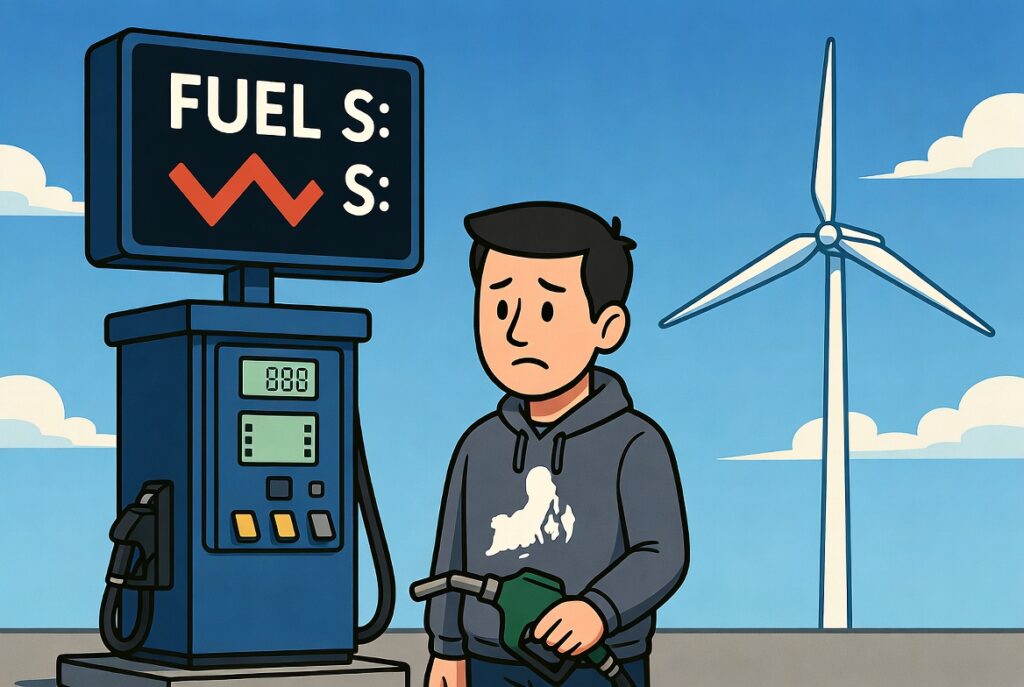
State officials, including Governor Dan McKee, have expressed concern over the rising energy costs and are exploring options to provide relief to residents. Residents, particularly those on fixed incomes, have reported increased financial strain due to higher utility bills. Local businesses are also feeling the impact, with some considering adjustments to operations to offset increased fuel expenses. The Good Neighbor Energy Fund has expanded eligibility to assist more households facing financial hardship. These responses highlight the multifaceted impact of rising energy costs on the state’s economy and its residents.
Future Outlook: Long-Term Impacts on Rhode Island’s Energy Landscape
Looking ahead, the rising cost of oil and gasoline may accelerate Rhode Island’s transition to renewable energy sources. The state’s investment in offshore wind projects, such as the Revolution Wind Farm, positions it to reduce dependence on imported fossil fuels and stabilize energy prices. However, the immediate financial strain on residents and businesses may necessitate continued support measures and careful management of the transition to ensure economic stability and energy equity for all Rhode Islanders.
Leave a Reply
You must be logged in to post a comment.